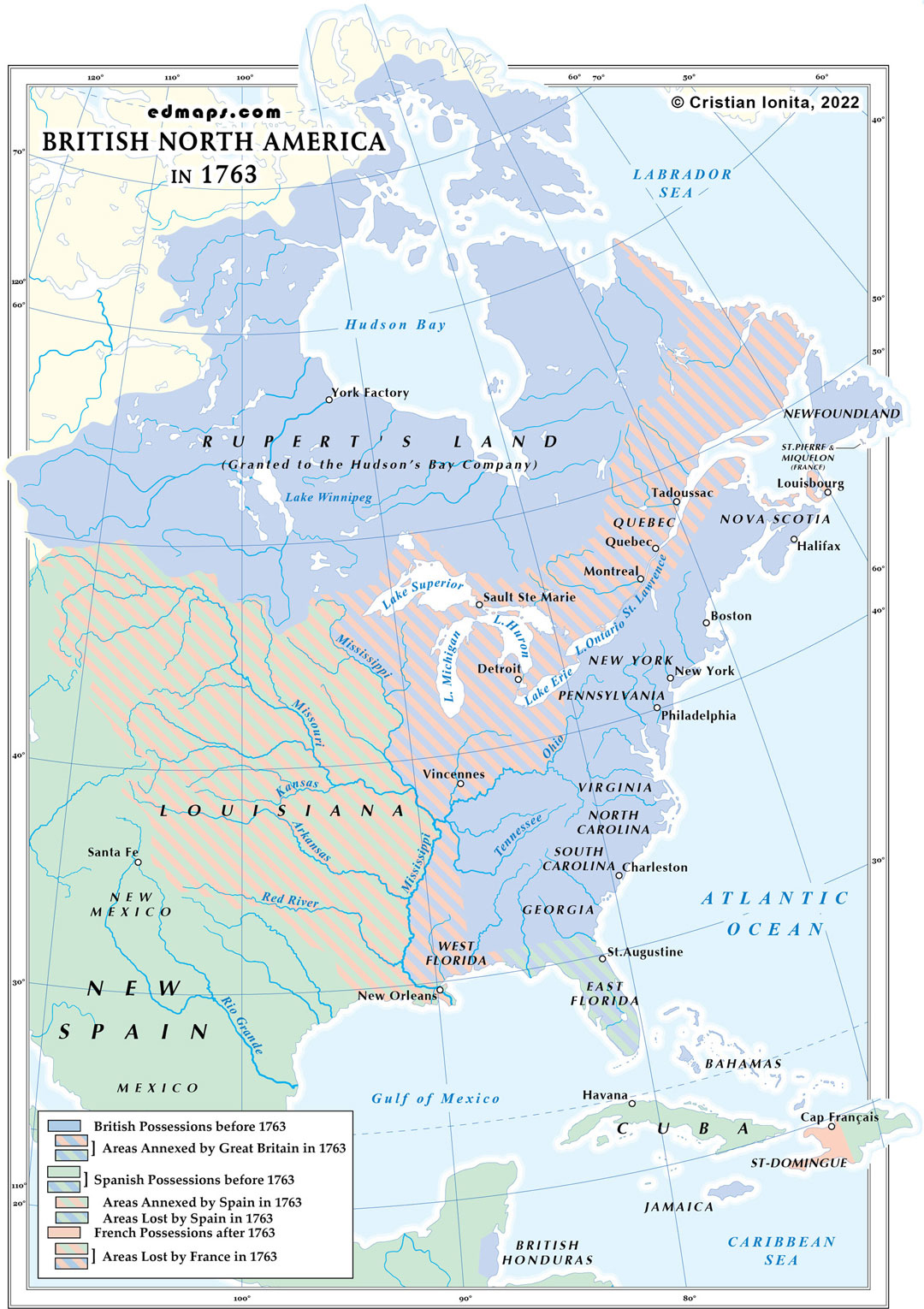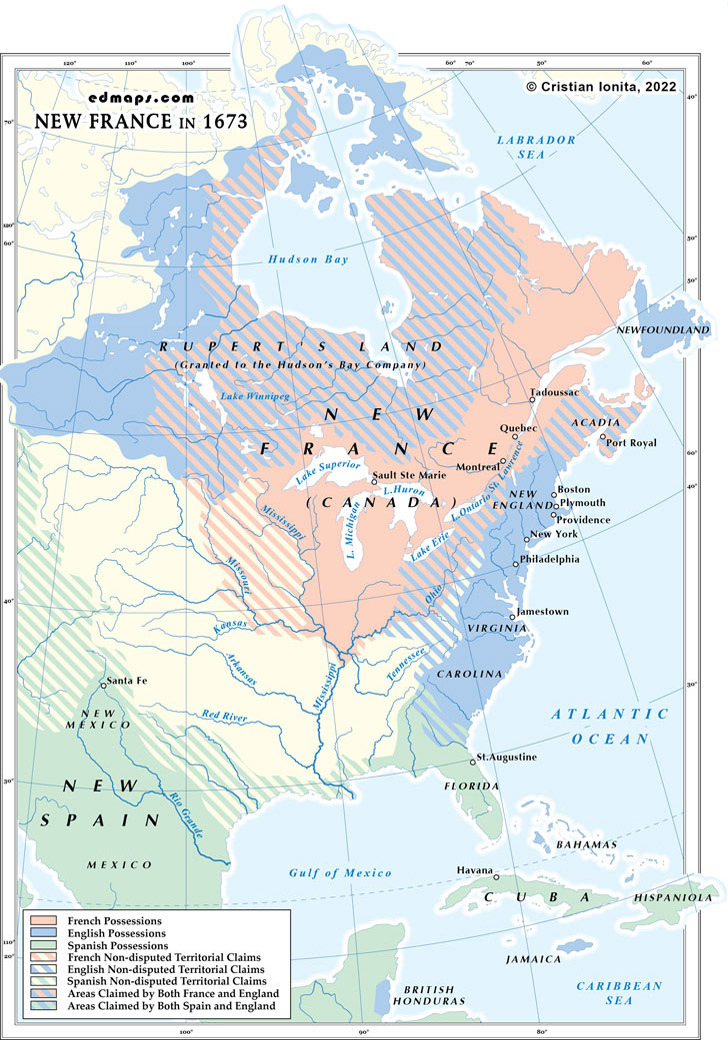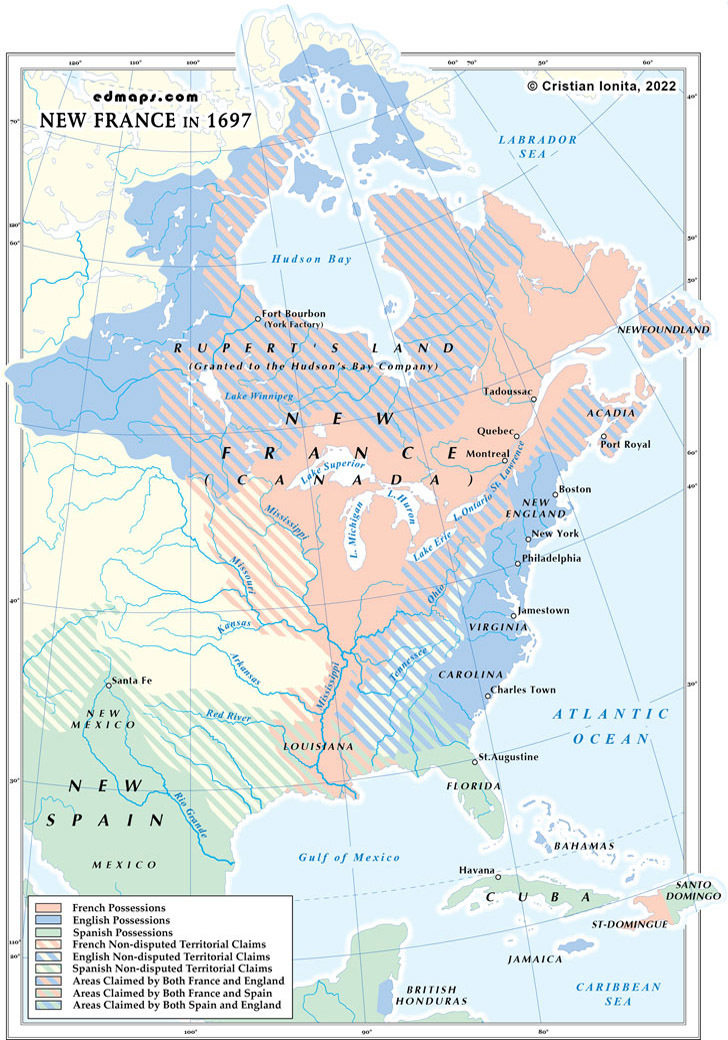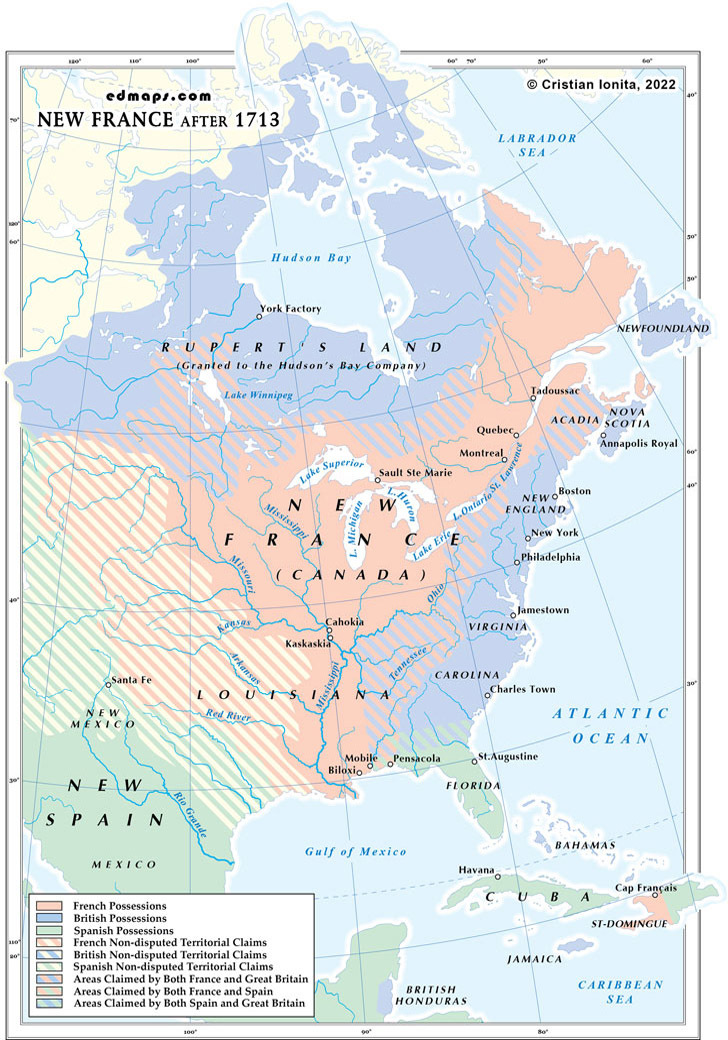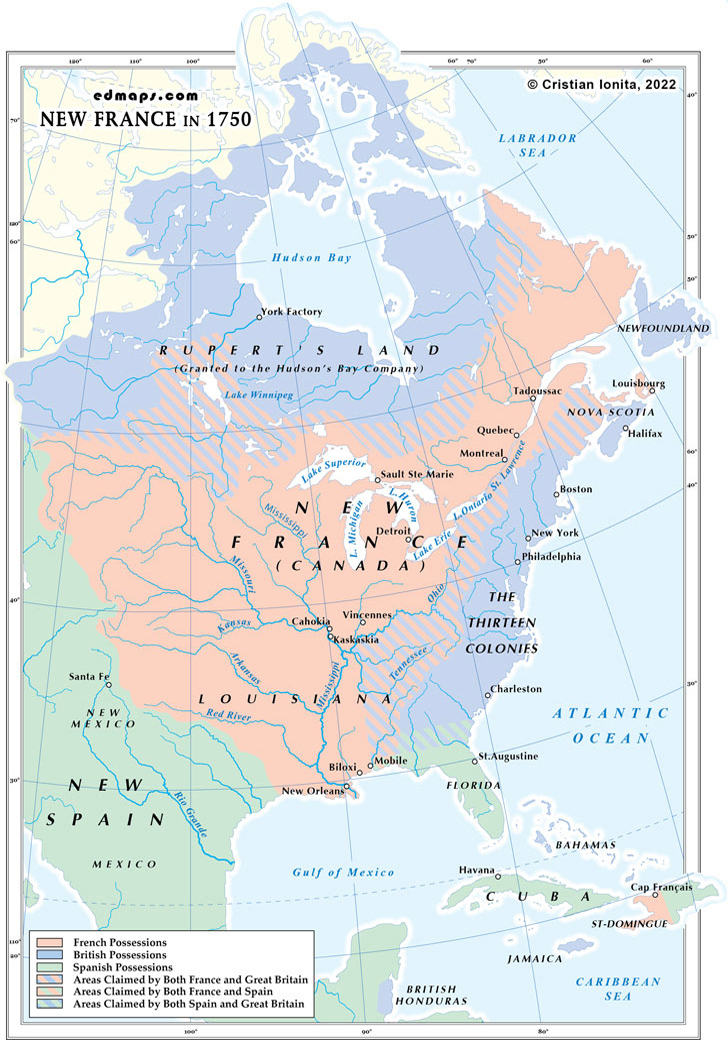
The Treaty of Paris (1763) created profound territorial challenges in North America by eliminating New France and establishing British hegemony over the eastern continent, while creating new imperial tensions and administrative complexities.
Britain acquired massive French territories east of the Mississippi River, including Canada, the Great Lakes region, and the Ohio Valley. This enormous territorial gain presented immediate administrative challenges: governing 65,000 French Catholics in Quebec, managing diverse Native American nations previously allied with France, and controlling thirteen increasingly assertive British colonies now freed from French territorial threats. The Royal Proclamation of 1763 attempted to manage these challenges by restricting colonial settlement west of the Appalachian Mountains and establishing Quebec as a separate province.
Spain gained Louisiana and New Orleans from France through the secret Treaty of Fontainebleau (1762), creating a new buffer against British expansion while maintaining non-British control over the Mississippi's western watershed. However, Spain also ceded Florida to Britain in exchange for Cuba, fundamentally altering southeastern territorial dynamics. Spanish administration of vast Louisiana territories presented challenges similar to those France had faced.
The destruction of French-Native American alliance systems created territorial chaos among indigenous nations. Pontiac's Rebellion (1763-1766) demonstrated Native American resistance to British territorial control, as tribes previously allied with France rejected British sovereignty over their ancestral lands. The elimination of French diplomatic alternatives reduced indigenous bargaining power significantly.
With French territorial barriers removed, British colonists intensified westward expansion pressures. Land speculators, settlers, and colonies with sea-to-sea charter claims increasingly challenged the Proclamation Line, creating conflicts between imperial policy and colonial territorial ambitions.
The territorial redistribution created a bipolar North American system with British control east of the Mississippi and Spanish control to the west, eliminating the three-way imperial competition that had previously provided Native Americans and colonists with diplomatic alternatives.